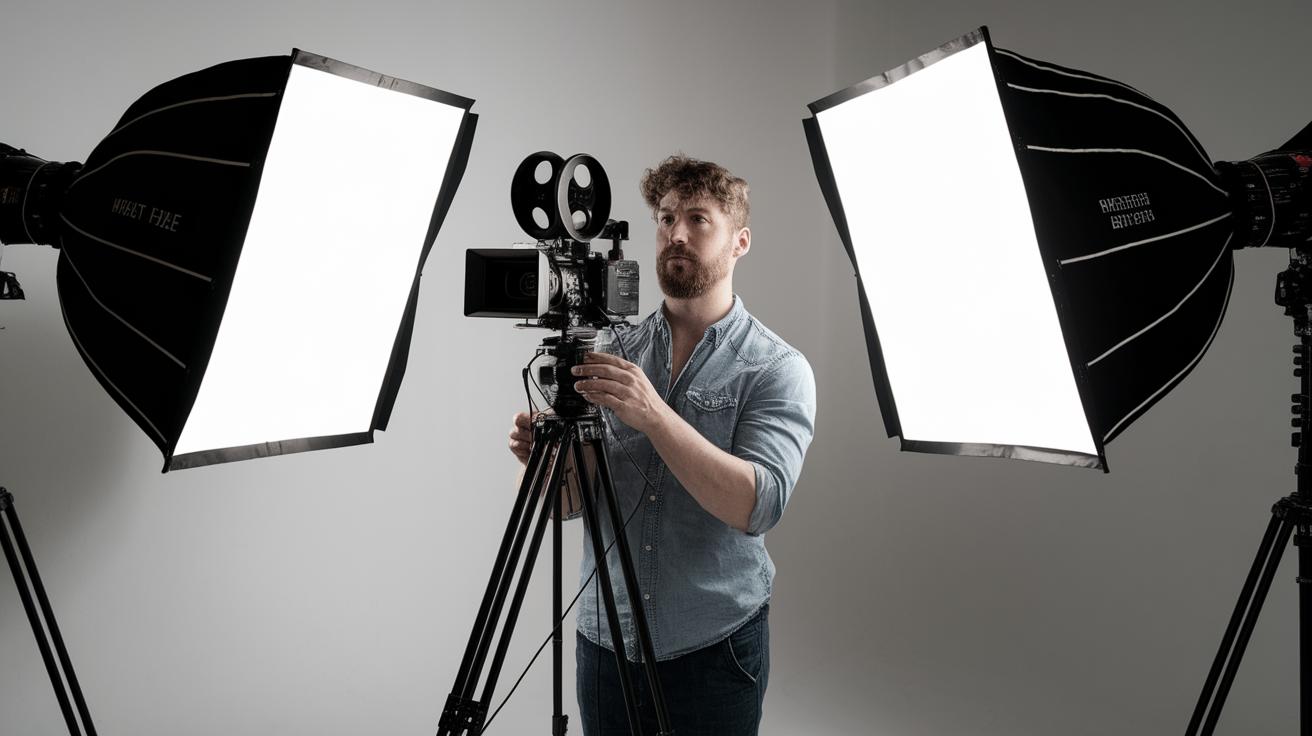
How to Get Involved in Amateur Filmmaking
Are you drawn to the world of storytelling through film? Amateur filmmaking offers an incredible opportunity to dive into the cinematic arts and create your own independent film. This guide explores everything you need to know about getting involved in amateur filmmaking. From understanding what defines an independent film to navigating the steps involved in production, and key considerations like scripting, budgeting, and casting, each section provides valuable insights. Ready to turn your vision into an on-screen reality? Discover the essentials of making an independent film and the exciting opportunities film festivals can provide to showcase your work. Engage in this journey of creation and let’s explore the captivating world of filmmaking together.
So what is an independent film?
Independent films, often referred to as indie films, are typically produced outside the major film studio systems. These films allow for greater artistic freedom and the opportunity to explore unique, unfiltered stories that might not otherwise reach the big screen. Independent films are typically characterized by lower budgets and a focus on storytelling over special effects.
Indie films often emphasize personal and intimate narratives that highlight the filmmaker’s vision. This kind of film allows emerging directors, writers, and actors to showcase their talents without the constraints of big studio expectations. Consequently, they often become a launchpad for fresh perspectives and innovative storytelling techniques.
Making an independent film– how it’s done!
Making an independent film requires dedication, creativity, and a clear vision. It begins with an idea, one that you’re passionate about. From there, you will need to develop a strong script that brings your idea to life. Once the script is in hand, it’s time to begin planning, which includes budgeting, casting, and assembling a capable crew.
The production phase involves shooting your film within the constraints of your budget and schedule. This stage demands flexibility and problem-solving to tackle challenges as they arise. Finally, once filming is complete, post-production will help you refine your film through editing, sound design, and visual effects.
Three things to consider before making an independent film
It’s all about the script.
The foundation of any film, independent or otherwise, is its script. A well-crafted script is essential as it not only outlines the dialogue and narrative but also reflects your film’s pacing, tone, and overall message. Investing time in writing a compelling script will provide guidance during production and inspire confidence in your team and potential investors.
Consider seeking feedback from trusted peers or collaborating with a co-writer to refine your script. Remember, a strong script can often compensate for budget limitations by focusing on engaging dialogue and character-driven stories rather than costly special effects.
The production budget must be on point.
Establishing a realistic and workable budget is crucial in independent filmmaking. This often means prioritizing expenditures and being creative with resources. Determine the essential expenses for your production, including equipment, locations, crew, and post-production costs. Control your budget by seeking out alternative funding, such as crowdfunding or sponsorship.
Being meticulous in budgeting will avoid unexpected financial hurdles and ensure that the allocated funds effectively contribute to the film’s success. Consider every decision from a cost-benefit perspective, and don’t be afraid to adjust your initial budget as you delve deeper into production planning.
Your casting should be tactical.
Choosing the right cast is a crucial aspect of producing a compelling independent film. Strong performances anchor your story and engage your audience. When considering actors, reflect on not just their talents, but their fit for the role and chemistry with fellow cast members. Independent films often leverage upcoming talent looking for opportunities to showcase their abilities.
Casting decisions should also factor in budgetary considerations. Aim to balance quality with affordability by conducting auditions and considering less-established actors who may bring passion and dedication. Engaging aspiring but talented artists can enhance your film’s authenticity and originality.
Seven steps to making an independent film
Start with the script.
Your script is your blueprint. Begin by thoroughly developing your story, characters, and dialogue. This is where your vision will start to take tangible form. Dedicate adequate time for revisions and editing until you have a well-polished script ready to translate to the screen.
Consider workshopping scenes with actors to gain new insights into how your dialogue resonates in real life. This process can inform rewrites and strengthen your narrative structure before you proceed to production stages.
Budget sensibly.
Creating a detailed budget is fundamental. Itemize all anticipated costs and outline a clear financial plan. Factor in contingency funds to accommodate unforeseen expenses in different stages of your project. Look for cost-saving measures, such as using volunteer extras or shooting in readily accessible locations.
Explore diverse funding options, whether through grants, investments, or crowdfunding platforms. A well-managed budget ensures your focus stays on the creative rather than financial pressures.
Choose your crew wisely.
A capable crew forms the backbone of your production. While your film may have budgetary constraints, selecting experienced and passionate individuals for key roles can greatly enhance your production quality. Align with people who understand your vision and bring creative solutions to the table.
Choose team members who are multifaceted, particularly if you’re working with a limited number of crew positions. Prioritize roles that align closely with your film’s strengths and needs.
Onboard the cast but consider the cost.
Finding the right performers goes beyond talent; it’s about collaboration. Establish clear communication to ensure their understanding of your project’s vision. Conduct auditions and provide opportunities for actors to contribute creatively to their characters.
While well-known actors can elevate your project, consider the balance between exposure and costs. Focus on capturing authentic performances from committed individuals, which is often more impactful than a famous face.
Plan for all scenarios on shoot days.
Effective production planning is key to handling the unpredictability of shoot days. Develop a comprehensive schedule and contingency plans for weather, equipment failures, and other potential disruptions. Clear communication and flexibility can contribute to maintaining your timeline and staying within budget.
Make sure everyone is informed about their roles and the daily schedule. Adequate planning will help create a smooth workflow, reducing stress and elevating the production quality.
Prioritise your post-production.
Once the filmmaking wraps and the raw material is in the can, the post-production phase becomes pivotal. Editing, sound design, and effects work in concert to give your film its final shape and polish. Prioritize this stage by allocating time and resources to refine your visual and auditory storytelling elements.
Engaging professional editors or sound designers can take your narrative to the next level. Always dedicate time for test screenings and feedback to perfect the viewing experience before your film reaches the wider audience.
Film Festivals are your friend when making an independent film.
Film festivals provide significant platforms for independent filmmakers. They offer visibility, networking opportunities, and the chance to gain feedback from industry professionals. Selecting appropriate festivals for your film’s genre and theme can enhance your chances for submissions acceptance and recognition.
Engage actively in festival circuits by attending events, audiences participating in Q&A sessions, and capitalizing on any awards or recognitions that come your way. These experiences can open the door to distribution deals and wider audience reach.
Next steps
| Step | Description |
|---|---|
| Understanding the Indie Film | A film made outside the major studio system, focusing on unique narratives. |
| Creating the Film | Focus on strong storytelling while managing budget, cast, and crew effectively. |
| Starting with the Script | Develop a compelling script as your film’s blueprint. |
| Smart Budgeting | Plan a realistic budget and explore cost-saving options. |
| Choosing Crew & Cast | Assemble an experienced team and talented cast for a polished film. |
| Production Planning | Create schedules and contingency plans to handle shoot day unpredictability. |
| Prioritising Post-Production | Focus on editing and refining your film for final presentation. |
| Exploring Film Festivals | Submit films to festivals to gain visibility, feedback, and distribution opportunities. |