
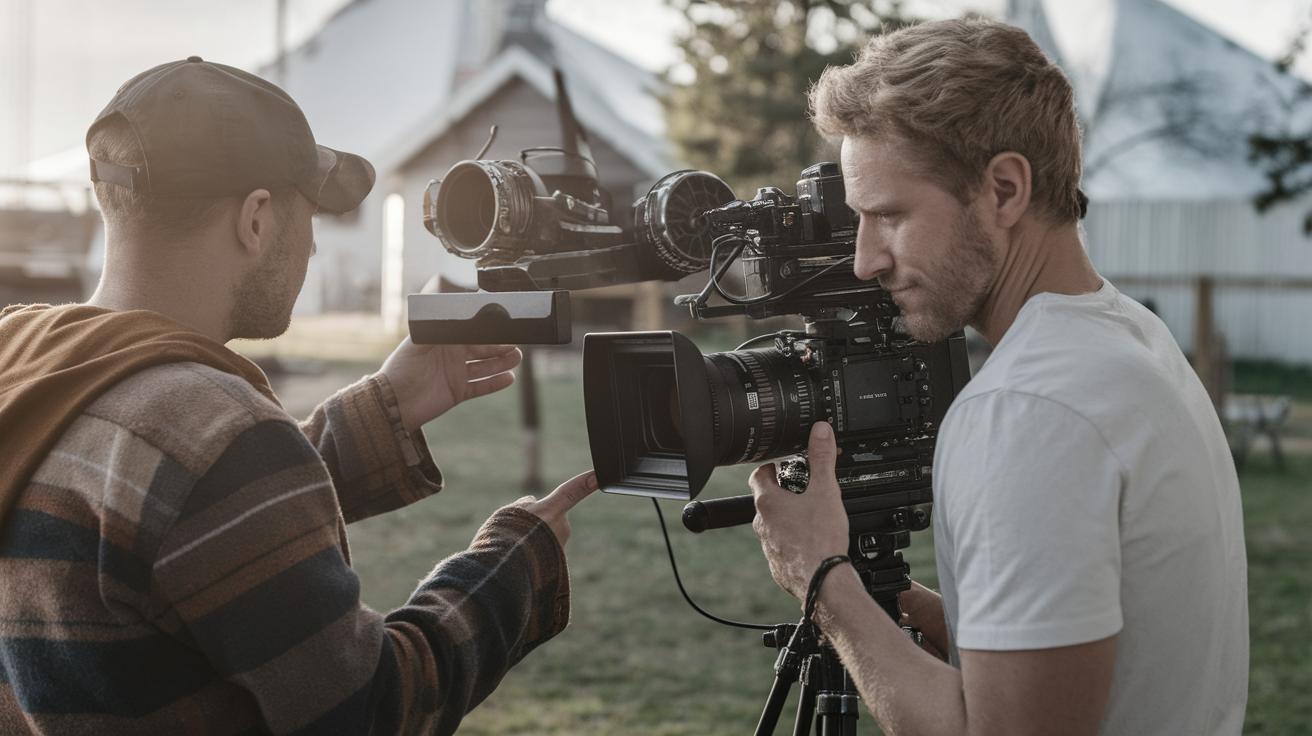
How to Work Effectively with a Film Crew
Film production is an intricate ballet of talent and technology. At the heart of this creative endeavor lies the film crew, a cohort of specialists each excelling in their chosen roles. Understanding the vast array of positions and the hierarchy within a film crew is essential to ensuring effective collaboration on set. From costume designers to grip film crew members, each role is pivotal in bringing a film to life. This comprehensive guide explores the various roles, responsibilities, and nuances of working within a film crew. It aims to illuminate the structure, importance, and coordination required to manage a seamless film production. Whether you’re an aspiring filmmaker or an industry veteran, understanding these roles aids in fostering a productive work environment. Dive in to discover the indispensable components that make up a successful film crew.
What is a film crew
Costume Designer
The Costume Designer is crucial in setting the visual tone through wardrobe choices. They interpret the script and director’s vision to ensure characters’ clothing reflects their personalities and the film’s era. Working closely with the director and production team, they meticulously plan, source, and sometimes create costumes that enhance the storytelling.
This role demands a keen eye for detail and trends, as well as the ability to work under tight deadlines. Collaboration with other departments like hair and makeup ensures that the final look is cohesive and contributes to the overall narrative.
Driver
Drivers are fundamental yet often understated members of the film crew. They are responsible for the logistics of transporting cast and crew to various locations, ensuring punctuality and security. Beyond mere transportation, drivers often act as an informal link between different members of the crew, facilitating communication and morale.
With an intimate knowledge of local routes and a keen sense for timing, they often work unusual hours, adapting to the unpredictable nature of film schedules. Their reliability directly affects the crew’s ability to maintain schedules and efficiency.
Leadman
The Leadman supervises the set dressing crew, which involves crafting the world that appears in front of the camera. They work under the guidance of the set decorator to organize and manage props and set pieces, ensuring everything is set up as per the director’s vision.
This role requires strong organizational skills and a keen creative eye. The Leadman ensures that all set elements are in place, maintained, and repaired as needed, helping to create immersive environments that support storytelling.
Associate Producer
An Associate Producer assists the main producer in ensuring that a film project runs smoothly. This role is varied and can involve overseeing day-to-day production activities, handling budgetary concerns, and coordinating between departments.
With responsibilities spanning pre-production to the final stages, Associate Producers are crucial in managing schedules, resources, and communications. Their role involves a dynamic blend of creativity and practical expertise, requiring adaptability and strong interpersonal skills.
What does a film crew do
2nd Assistant Camera
The 2nd Assistant Camera (2nd AC) handles camera equipment logistics and assists with focus changes during filming. They are integral to ensuring the camera department operates smoothly and efficiently.
In addition to slate marking, the 2nd AC maintains camera logs, changes lenses, and manages the setup and tear-down of equipment. Their ability to anticipate needs and solve technical issues under pressure is indispensable to the cinematographer’s success.
Dolly Grip
A Dolly Grip is responsible for operating the camera dolly, orchestrating smooth camera movements that enhance visual storytelling. They must synchronize with the camera operator and follow precise cues to support the director’s vision.
This physically demanding role demands precision, coordination, and a deep understanding of the scene’s emotional rhythm. Mastery of this role can significantly elevate the visual dynamism of a film.
Caterer
The Caterer’s role in a film crew is to provide meals and snacks for cast and crew members. This service is crucial for maintaining energy levels, especially on long shooting days.
Beyond simple nourishment, good catering boosts morale and fosters a sense of community on set. Caterers must plan meals that accommodate dietary restrictions and time constraints, ensuring everyone is well-fed and satisfied.
Film crew set
Director
The Director is the creative visionary behind a film, responsible for translating the script into visual storytelling. They make key decisions on aspects like casting, location, and overall style, guiding the project from conception to completion.
A director’s role involves close collaboration with producers, writers, and all department heads, ensuring that every facet of the production aligns with their vision. Their leadership on set impacts storytelling, performance, and the atmosphere, setting the creative tone for the entire crew.
Film set crew
1st Assistant Camera
The 1st Assistant Camera, or focus puller, is responsible for maintaining the sharpness of images, a critical component of film quality. They manage focus during shots, ensuring seamless transitions and reliability in capturing every scene.
Working closely with the Director of Photography, the 1st AC ensures the camera is set up correctly for each scene. Their technical expertise and steady hands are instrumental in achieving the director’s visual aims.
Casting Director
The Casting Director plays a decisive role in shaping the film’s character tapestry by selecting the right actors. By understanding character nuances and working with the director and producers, they ensure that each role is cast appropriately.
Their work involves organizing auditions, negotiating contracts, and managing schedules. A Casting Director’s intuition and expertise can substantially impact a film’s authenticity and success.
Intimacy Coordinator
An Intimacy Coordinator is tasked with ensuring the safety and comfort of actors during scenes involving physical intimacy. Their presence has become increasingly important for setting boundaries and maintaining professionalism on set.
Collaborating with directors and actors, Intimacy Coordinators choreograph actions that maintain the creative integrity while ensuring respectful and consensual interaction. Their advocacy ensures a safe environment, empowering actors to perform confidently.
Film set hierarchy
Sound Assistant
The Sound Assistant supports the sound department with equipment management and live set recording. They ensure crisp audio capture, often dealing with complex sound environments and adjusting equipment accordingly.
In collaboration with the Sound Mixer and Boom Operator, they set up microphones, manage audio cables, and troubleshoot any sound issues that arise. Their role is vital to achieving high-quality sound production that supports the film’s overall impact.
Script Supervisor
A Script Supervisor ensures continuity within a film, meticulously tracking scene details and script progress. They maintain records of shots, noting discrepancies and ensuring consistency across takes.
This critical role involves liaising with directors and editors to ensure that each scene flows smoothly into the next without factual or temporal errors. Their keen attention to detail helps maintain the narrative integrity of the film.
The film crew
Hair Stylist
The Hair Stylist designs and maintains hairstyles in accordance with character profiles and period settings. Their work contributes to the film’s visual authenticity and the actor’s transformation into their roles.
Working closely with makeup artists and costume designers, hairstylists must be adept at executing styles quickly and adapting to design changes that complement the narrative and visual aesthetic.
Prop Master
The Prop Master oversees all moveable objects on a film set, crafting and curating props that enhance storytelling and character development. They collaborate with directors and production designers to source and create items that align with the film’s vision.
This role demands creativity, attention to detail, and a keen understanding of the period and setting. Props not only reflect a character’s world but can also become pivotal narrative devices.
Office PA
The Office Production Assistant (PA) functions as the operational backbone of film production, facilitating communication and logistics. They manage schedules, file paperwork, and assist with administrative tasks, keeping the production running smoothly.
Their multifaceted role requires adaptability and effective communication skills, supporting producers and department heads in coordinating the immense logistical efforts required in filmmaking.
Hollywood film crew
Stunt Performer
Stunt Performers are professionals skilled in executing complex and often dangerous actions required by the script. They work closely with the director and stunt coordinator to achieve safe yet thrilling scenes.
With rigorous training and safety measures, stunt performers bring high-energy dynamics and believability to action sequences, ensuring the film’s authenticity and excitement without endangering the leading actors.
Screenwriter
The Screenwriter crafts the narrative blueprint of the film, developing dialogues, scenes, and character arcs. Their work forms the foundation of the project upon which directors and actors build their performances.
Engaged from the project’s inception, screenwriters may adapt stories from other media or create original scripts, involving collaborative adjustments with directors and producers to refine the story throughout production.
Film crew hierarchy
Makeup Artist
Makeup Artists are responsible for crafting character aesthetics that align with a film’s visual direction. They apply makeup that highlights features and supports the narrative through physical transformations.
Collaborating with directors, actors, and costume designers, makeup artists adapt to changing requirements and style needs, transcending realism or fantasy to enhance character believability.
Production Designer
The Production Designer shapes the visual environment of a film, working from script development to set construction. They conceptualize settings that reflect the director’s vision and narrative mood.
With strategic collaboration across departments like art, location, and visual effects, production designers create worlds that integrate seamlessly with character arcs and story themes, leaving a significant imprint on film aesthetics.
Roles in film production
Line Producer
The Line Producer is responsible for managing the film’s budget and overseeing the daily operations of production. Their role spans coordinating with department heads and ensuring that projects stay on schedule within financial constraints.
Balancing creative vision with logistical reality, line producers act as a liaison between the director and production staff, enforcing pragmatic solutions to any operational issues that arise throughout filming.
Production Accountant
The Production Accountant manages all financial aspects of a film production, ensuring that the budgetary goals are met. They track expenditures and manage asset allocation across departments.
In addition to financial tracking, they analyze costs associated with the project, providing producers with critical financial insights that align with overall production goals. Their role is essential for maintaining fiscal integrity and economic efficiency in filmmaking.
Entertainment Lawyer
Entertainment Lawyers specialize in the legal facets of filmmaking, addressing contracts, rights acquisitions, and licensing. They safeguard intellectual property and negotiate deals to ensure that productions comply with legal criteria.
By anticipating legal challenges and facilitating negotiations, entertainment lawyers protect films from legal risks, enabling creative processes to progress unhindered by potential litigation issues.
Film positions
Sound Mixer
The Sound Mixer balances audio levels during recording, crucial for achieving clarity and depth in soundscapes. Their task involves blending dialogue, ambiance, and sound effects into a harmonious auditory experience.
Collaborating with directors and sound designers, the mixer ensures synchrony between visuals and audio, enhancing the narrative through strategic sound placement, pivotal in creating immersive atmospheres that resonate with audiences.
Stunt Coordinator
The Stunt Coordinator designs and manages the execution of action sequences, prioritizing safety while maintaining narrative thrill. They collaborate with directors and performers to choreograph stunts that are visually captivating.
By balancing creativity and safety, Stunt Coordinators ensure that action scenes contribute effectively to the film’s energy without compromising the well-being of the crew or performers.
Production Assistant
Production Assistants (PAs) are the versatile team members tasked with support across all departments, ensuring that day-to-day operations run without a hitch. They assist with everything from administrative tasks to gear management.
Essential for smooth logistical operations, PAs adapt to varied demands and serve as crucial problem-solvers within the film’s dynamic environment, aiding in the holistic success of the production.
Film crew positions
Best Boy
Acting as second-in-command to the Gaffer, the Best Boy oversees the electrical department’s logistics, manages lighting equipment, and coordinates between the Gaffer and the rest of the lighting team.
With strong technical expertise, Best Boys ensure efficient operations of electrical systems, vital for creating the desired visual mood of each scene through strategic lighting setups.
Electrician
Electricians are responsible for setting up and maintaining lighting fixtures in alignment with the director’s visual direction. They execute lighting plans, manage electrical systems, and address any technical challenges that arise on set.
Through precise execution and strong collaboration with the lighting team, electricians maintain the production’s pace and quality while ensuring safety standards are met.
Film Loader
The Film Loader manages the film stock, ensuring it is properly loaded and handled. They handle raw footage delicately to prevent exposure or damage, playing a crucial role in preserving the film’s quality.
As part of the camera department, they maintain meticulous records and assist with organizing film inventory, ensuring that the transition from shooting to development is seamless.
Key Grip
The Key Grip oversees the movement of camera and lighting equipment, ensuring smooth operation on set. They coordinate grips to construct and manage the gear setups required for complex shots.
Expert in rigging and logistics, a Key Grip ensures that the technical setup aligns with creative needs, allowing for innovative approaches to cinematography and facilitating dynamic shot compositions.
Scenic Artist
Scenic Artists are responsible for painting, sculpting, and finishing sets and backdrops to create the ambiance and settings that appear on screen. Their work enhances the narrative by adding authenticity and depth to the visual landscape.
Working closely with the art department, scenic artists blend creativity with technical skill, transforming the artistic vision into tangible worlds that captivate audiences.
Set Decorator
A Set Decorator curates and arranges the objects within a set, from furniture to minor props, ensuring alignment with the designed aesthetic and period specifics. They work in tandem with production designers to align the environment with the storyline.
This role combines artistic talent with project coordination and budgeting, transforming narrative spaces into immersive realities that serve both the plot and overall design vision.
Art Director
The Art Director translates the Production Designer’s vision into concrete plans, overseeing the construction and decoration of sets. They manage the art department, ensuring every visual element supports the film’s aesthetic goals.
Balancing creativity with logistics, they facilitate communication between art departments and production, aligning artistic efforts with production schedules and budgets to maintain the project’s visual coherence.
COVID Compliance Officer
This role emerged to enforce health and safety protocols on set in response to the COVID-19 pandemic. The COVID Compliance Officer is responsible for overseeing and implementing safety measures to protect cast and crew health.
By ensuring compliance with medical guidelines, they prevent outbreaks that could disrupt production, providing reassurance and maintaining a focus on the health and safety of all involved.
Film crew members
Director of Photography
The Director of Photography (DP) is the chief cinematographic authority, responsible for the visual aspects of a film. They work with the director to translate the script into breathtaking frames, deciding on the camera angles, lighting techniques, and shot composition.
Their artistry influences the visual identity of a film, affecting how audiences perceive and emotionally connect with the storyline. The DP’s leadership within the camera crew ensures a cohesive, compelling visual experience.
1st Assistant Director
The 1st Assistant Director (1st AD) manages the film set’s logistics, coordinating schedules and maintaining order during production. Their focus ensures that daily targets are met while upholding efficiency and safety standards.
By facilitating clear communication between the director and crew, and troubleshooting potential disruptions, 1st ADs are pivotal in keeping challenging film productions on track.
Boom Operator
The Boom Operator is tasked with capturing sound by strategically positioning microphones to record dialogues and ambient audio while remaining unobtrusive. They are critical to obtaining clear audio that resonates with the onscreen action.
In maintaining close collaboration with the sound department, boom operators ensure that auditory elements enhance the visual narrative, requiring deft balance and precision in equipment handling.
Film crew jobs
2nd 2nd Assistant Director
The 2nd 2nd Assistant Director supports the AD department by managing the movement and coordination of extras, locations, and unit setups. Their role is essential in organizing background actors and scenes.
Alongside the script supervisor and 1st AD, they ensure seamless transitions between scenes, facilitating the smooth operation of the film’s large-scale logistical components.
Executive Producer
Executive Producers are often financiers or influential individuals who provide financial backing and strategic support for a film project. They oversee high-level planning and ensure that the film aligns with its financial and creative objectives.
While they may not be involved in day-to-day production, their backing provides stability, and they contribute significantly to a film’s direction and eventual market success through industry networks and insights.
Financier
Financiers supply the funds required for film production, shouldering the project’s financial risk. They strategically invest in film projects, analyzing scripts, budgets, and potential returns before committing resources.
This role is integral to transforming creative concepts into viable projects, enabling artistic visions to progress from idea to reality by securing the necessary financial backing and resources.
Roles in film production
Line Producer
The Line Producer serves as the operational heart of the film crew, ensuring that logistical details are finely tuned to allow creative processes to flourish. They manage budgets, schedules, and the day-to-day demands of the production.
Functioning as a key link between creative vision and practical execution, their expertise is vital for keeping projects grounded and ensuring that artistic aspirations are met within financial and temporal constraints.
Production Accountant
The Production Accountant’s role is to track and manage the financial aspects of production to adhere to budgetary constraints. They oversee expenditure, prepare budget reports, and liaise with financial backers.
With their vigilance, production accountants help maintain fiscal responsibility, ensuring financial transparency and stability, proving crucial in the seamless orchestration of a film’s complex financial landscape.
Crew in film production
Camera Operator
The Camera Operator captures the live-action footage as directed, operating cameras with precision and creative flair. Their skill in camera handling contributes significantly to framing each narrative moment artfully.
Working under the DP, the camera operator aligns technical expertise with artistic vision to translate scripts into stunning visual sequences, crucial for both coherent storytelling and aesthetic impact.
2nd Assistant Director
The 2nd Assistant Director aids in managing the on-set operations and production logistics. They coordinate scheduling, help manage cast and crew, and assist the 1st AD in keeping the production on schedule.
By providing organizational support, they enable swift changes on set, maintaining the structural integrity of the shoot schedule while resolving potential disruptions efficiently.
Movie personnel
SPFX Makeup Designer
The SPFX Makeup Designer specializes in creating makeup effects that include prosthetics and complex character transformations, often involving elaborate designs to depict injuries, fantastical creatures, or any non-standard character features.
Their work is essential in realism or sci-fi projects, relying on both artistic and technical skills to craft believable special effects that elevate storytelling, reinforcing the portrayed world’s realism or creativity.
Transportation Coordinator
The Transportation Coordinator manages the logistics of vehicle movements and ensures the timely arrival of cast and crew, equipment, and materials at different locations. Their efficient planning supports production timelines and budget requirements.
By maintaining a fluid transportation network, they help equitably distribute resources, mitigate delays, and keep schedules running seamlessly throughout the demanding shoot cycles.
Crew Film Positions
Set PA
The Set Production Assistant, or Set PA, is the versatile lynchpin of the set, assisting with various tasks as needed. Ranging from setups to actor management, they ensure that the shoot progresses smoothly with minimal disruptions.
With a finger on the pulse of production activity, Set PAs anticipate needs and serve as communicative bridges between departments, contributing quietly yet indispensably to day-to-day filming operations.
DP Film Crew Positions
Key Grip
The Key Grip leads the team responsible for constructing camera rigs and ensuring stability for camera movement. They collaborate with DPs to achieve unique visual effects through creative rigging solutions.
As a problem-solver and tactician, the Key Grip enhances the director’s and DP’s ability to capture ambitious shots, marrying technical expertise with creative vision for enriched storytelling capabilities.
Grip film crew
Gaffer
The Gaffer is the chief lighting technician on set, working closely with the DP to create the desired lighting ambiance. They lead the electrical crew in setting up and guiding lighting rigs.
Running the show on the electrical front, a gaffer must deftly blend artistic direction with technical lighting setups to ensure that each scene radiates as planned, lending depth and tone to the visual narrative.
Grip
Grips are responsible for building and maintaining all rigging equipment that supports cameras. They supervise and adjust this equipment to facilitate dynamic and steady shots that serve the film’s style and pacing.
By bridging the creative aspirations of directors and DPs with tangible applications, Grips ensure that a film’s kinetic energy is perfectly captured and smoothly transitioned from script to screen.
Film crew list
Prosthetics Designer
The Prosthetics Designer crafts prosthetic pieces used in transformations or special effects, allowing characters to embody more complex roles through physical alterations. They intertwine technical expertise with imagination to serve character-driven narratives.
their integration of these elements plays a vital part in visual storytelling, creating plausible and striking visuals that enhance viewer immersion.
Location Scout
The Location Scout’s job involves finding and securing shooting venues that match script requirements, often coordinating with local authorities and property owners to secure rights and manage logistical needs.
Their analytical and creative insights shape the geographical character of a film, ensuring visual compatibility with the narrative theme while balancing practical shoot considerations.
Production Coordinator
The Production Coordinator is a vital administrative force, organizing daily operations and maintaining communication across departments. Their role involves scheduling, distributing scripts, and handling logistics.
Serving as a nexus between production and crew, they ensure seamless communication, preventing potential conflicts, and maintaining the structured rhythm necessary for cohesive production efforts.
Film production crew
Choreographer
Choreographers design and direct movement for dance scenes, stunts, and other sequences where physical coordination is vital. Their expertise marries musical artistry with dramatic intention to craft memorable cinematic moments.
By closely collaborating with directors and performers, choreographers ensure that motion echoes the film’s thematic essence, offering grace or tension that elevates the narrative.
Art PA
The Art Production Assistant provides pivotal support to the art department, assisting with set decoration, artwork preparation, and overall batch coordination. Their role requires flexibility and a multifaceted skill set to keep creative plans seamless across production phases.
Through diligent coordination and collaborative prowess, Art PAs effectively contribute to curating and maintaining the visual continuity that ensconces audiences within the cinematic world.
Digital Imaging Technician
The Digital Imaging Technician (DIT) ensures the integrity of digital footage during shooting, playing a crucial part in color consistency and image quality. They manage on-set data workflows and collaborate with the DP for accurate playback and digital processing.
By coordinating with post-production, DITs maintain image standards and color continuity, which are essential for aesthetic uniformity and effective storytelling.
Video production crew positions
Unit Production Manager
The Unit Production Manager (UPM) facilitates logistical planning, negotiating contracts, and oversees daily operations. Their leadership ensures that budgets are adhered to while supporting the creative process.
Through meticulous planning and resource management, UPMs ensure that production takes place seamlessly, without financial or logistical setbacks, maintaining cohesion and flow on set.
Video Assist Operator
The Video Assist Operator records ongoing footage, providing playback for directors to review scenes in the context of the film’s progression. This feedback loop is vital for real-time assessment and adjustment.
By allowing immediate evaluation and refinement of shots, these operators solidify the creative vision early, ensuring that technical and narrative elements operate in harmony.
Different Roles in Movie Production
Set Dresser
Set Dressers organize and furnish the set in alignment with the production designer’s vision, ensuring every detail contributes to an authentic and engaging visual environment.
Their nuanced artistry enhances narrative spaces, providing actors with believable backdrops that heighten immersion and enrich storytelling accuracy.
Movie Production Job Titles
Wardrobe Supervisor
The Wardrobe Supervisor oversees the costumes department, ensuring outfits are maintained and available for actors on schedule. They coordinate with designers to facilitate alterations and continuity.
Performing as the department’s operational core, they ensure wardrobe enhancements translate the script’s detailed aesthetic accurately to screen, anchoring character consistency.
List of Jobs on Movie Set
Set Costumer
Set Costumers assist with the fittings and maintenance of costumes, ensuring that actors are dressed accurately per the scene’s requirements and continuity standards.
They work closely with the Costumer Designer to manage wardrobe logistics on set, enabling seamless transitions and reflecting narrative consistency visually.
Film Production Crew Roles
Costume Coordinator
The Costume Coordinator manages the practical aspects of the costume department, handling inventory and logistical needs, ensuring proper storage and scheduling.
By coordinating efforts between design and practical implementation, they ensure that costume processes unfold smoothly to support the visual narrative objectives.
Movie Jobs List
Tailor
Tailors modify and fit garments to actors, supporting the Costume Designer’s vision by ensuring that costumes complement physical nuances while maintaining period or characteristic authenticity.
Expertise in tailoring is indispensable for creating the tailored fit that translates character intricacies into sartorial expression, enhancing the actor’s performance and visual storytelling.
Film Roles and Responsibilities
Shopper
Shoppers acquire costumes and accessories that align with the artistic vision of the film. Their ability to source suitable items, often under time pressure, complements the overarching wardrobe narrative.
By integrating style and pragmatism, shoppers contribute indispensable elements that enrich character wardrobes, reinforcing visual themes and authenticity.
Short film crew positions
Weapons Wrangler
The Weapons Wrangler ensures that any firearms or combat tools used on set comply with safety standards and accurately match the narrative context.
Their stringent adherence to safety protocols and historical accuracy solidifies realism while protecting the well-being of all involved.
DIT film crew
On-Set Editor
On-Set Editors provide immediate insight into footage, editing cuts and reviewing sequences, ensuring alignment with the narrative while offering creative adjustments before moving to post-production.
This immediate presence empowers directors to refocus or reshoot efficiently, addressing narrative cohesion promptly and maintaining momentum in storytelling.
Production crew
Key PA
The Key Production Assistant coordinates essential tasks during filming, providing critical support for the production’s dynamic workflow and serving as a liaison among departments.
Their energetic engagement and adaptability allow for quick resolution of setbacks, enabling an unobstructed march towards completing the film on schedule.
Film Set Roles
VFX Coordinator
The VFX Coordinator manages the inclusion of digital effects in post-production, ensuring that visual effects align with the film’s stylistic aims and technical expectations.
By interfacing with the visual effects department, they facilitate effective integration of digital elements within the narrative landscape, sowing seeds of visual cohesion.
Filmmaking job titles
VFX Supervisor
A VFX Supervisor oversees the creation and integration of visual effects, navigating the complexities of CGI and practical effects to enhance the film’s narrative.
Bridging technological expertise with creative vision, they ensure that every visual addition elevates the cinematic reality, contributing strategically to narrative vividness.
What Does a Film Crew Consist Of
Set Medic
A Set Medic provides immediate medical attention to the crew and cast, becoming an essential safeguard for health and safety during filming. Their readiness ensures the well-being of all involved in production.
Standing by to address accidents or health concerns, set medics provide peace of mind that allows creative risk-taking within secure boundaries.
Film crew 101
Special Effects Coordinator
The Special Effects Coordinator engineers practical effects on set, from explosions to atmospheric conditions. By working alongside the director and VFX teams, they enhance storytelling through tangible effects.
This role requires a blend of engineering precision and creative problem solving, ensuring that practical effects heighten the film’s drama and realism.
Producer
Producers oversee the film’s journey from development to post-production, steering the project’s financial and creative vision. They are the anchor-point of administration, facilitating a bridge between creative aspirations and commercial goals.
Their steadfast presence ensures that every aspect of production aligns with broader objectives, managing resources effectively to bring the director’s vision to life while ensuring market viability.
Related Posts
Ultimate Guide to Film Terms
Language is the tool with which filmmakers and crew communicate their art. Understanding key film terms is crucial to navigating this intricate world, reinforcing collaboration and innovation in production.
By embracing these conventions, artists and technicians deepen their engagement with the craft, fostering an inclusive environment that empowers creative expression.
UP NEXT
Manage talent & film crew contacts, all in one place.
Effective coordination of a film crew involves organizing contact points for talent and crew. Leveraging digital tools for centralized contact management strengthens communication pathways, allowing production to focus energetically on artistry rather than logistics.
Final thoughts
| Role | Description |
|---|---|
| Costume Designer | Sets visual tone through wardrobe, aligning with character and era. |
| Driver | Manages transportation logistics for punctual and secure shooting schedules. |
| Leadman | Oversees set dressing, organizes props and decor for scenes. |
| Director | Creative head translating script into visual narrative, leading all departments. |
| 1st Assistant Camera | Maintains image sharpness and manages camera equipment. |