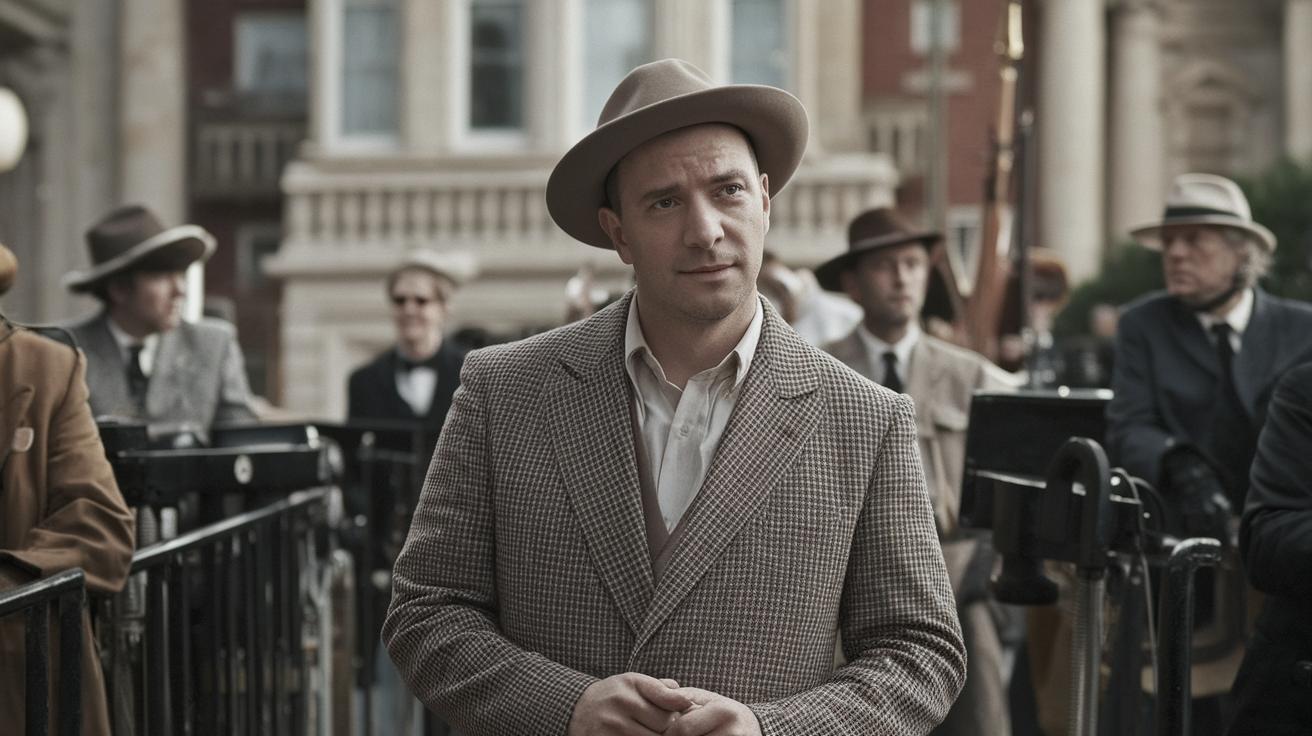
The Significance of Film Soundtracks
Film soundtracks are an integral aspect of cinema that greatly enhance the viewing experience by providing emotional depth and cohesion. They serve as an invisible but vital thread weaving through movies, eliciting feelings that images alone could not evoke. From the origins of musical accompaniment in silent films to the iconic scores that define genres today, soundtracks have played a crucial role in the evolution of storytelling on the big screen. This blog post explores the significance of movie soundtracks, detailing their origins, emotional impact, role in film structure, and value to musicians while examining famous examples and answering frequently asked questions about this fascinating element of filmmaking.
Table of Contents
-
Origins of Movie Soundtracks
-
The Emotional Weight of Movie Soundtracks
-
How Movie Soundtracks Hold a Film Together
-
Why Musicians Should Learn To Play Movie Soundtracks
-
Examples of the Best Movie Soundtracks To Learn Using Sheet Music
-
The Best Movie Soundtracks Are More Than Background Music
-
Frequently Asked Questions
-
What Are the Top 10 Soundtracks?
-
What Are the Top 10 Selling Soundtracks of All Time?
-
What Movie Has the Most Iconic Soundtrack?
-
What Is the Most Played Movie Song?
-
What Is the Most Used Song in Movies and Television?
-
Who Is the Most Successful Film Composer of all Time?
-
What Type of Schooling Is Needed To Become a Film Composer?
-
Do Composers Get Royalties?
-
How Do I Get Into Film Music?
-
-
More Blog Posts Related to Movie Soundtracks
Origins of Movie Soundtracks
The concept of movie soundtracks originated alongside the silent films of the early 20th century. In these early days, films were accompanied by live music, typically a pianist or small orchestra, to amplify emotions and cover any noise from the projector. This practice laid the groundwork for the synchronized soundtracks that would emerge later.
As technology evolved, so did the capability to produce complex soundtracks that synchronized with the on-screen action. With the invention of sound-on-film technology in the late 1920s, the first full-length “talkie,” “The Jazz Singer,” was released, marking a pivotal shift in cinema. Soundtracks became an integral storytelling component, blending music with dialogue and sound effects to create the immersive experience we are familiar with today.
The Emotional Weight of Movie Soundtracks
Movie soundtracks have the unique ability to evoke emotions in ways that visuals alone cannot. A well-composed score can elicit fear, joy, sadness, or excitement, mirroring the emotional journey of a film’s characters. Consider the suspenseful strings in Alfred Hitchcock’s “Psycho” or the stirring epic themes in “Star Wars” by John Williams – each score elevates the narrative, guiding the audience’s emotional experience.
The emotional weight carried by soundtracks is often so powerful that iconic scores remain etched in our cultural memory long after the film ends. Themes like “The Godfather” and “Titanic” have become synonymous with their respective films, demonstrating how music can transform a cinematic moment into a universal emotional experience that endures across generations.
How Movie Soundtracks Hold a Film Together
Beyond their emotional impact, soundtracks serve a key structural role in films, promoting coherence and continuity. A soundtrack can establish thematic unity by using recurring motifs and themes, creating a seamless narrative flow. This technique, known as leitmotif, is masterfully demonstrated in scores like Howard Shore’s “The Lord of the Rings,” where specific musical themes accompany certain characters and ideas throughout the trilogy.
In addition, transitions between scenes can be smoothed out using music, maintaining the story’s pace. Without music, these transitions might feel abrupt or disjointed. Not only does this support the film’s pacing, but it also enhances the narrative’s overall impact by connecting disparate scenes into a cohesive whole.
Why Musicians Should Learn To Play Movie Soundtracks
For musicians, playing movie soundtracks offers an excellent way to explore diverse musical styles and enhance their skills. Film scores encompass a wide range of genres, from classical and jazz to electronic and world music, allowing musicians to broaden their repertoire and adapt to different styles.
Additionally, understanding how soundtracks are crafted can provide musicians insights into compositional techniques, orchestration, and emotional storytelling. This knowledge can be invaluable in their development as performers and composers, enriching their musical expression and broadening their creative horizons.
Examples of the Best Movie Soundtracks To Learn Using Sheet Music
Several soundtracks have transcended their films, offering musicians rich material to study and perform. John Williams’ “Star Wars” is a perennial favorite, renowned for its complex orchestral arrangements and memorable themes. Another exemplary work is Hans Zimmer’s score for “Inception,” which blends electronic and symphonic elements to create a thrilling auditory experience.
Ennio Morricone’s work on “The Good, the Bad and the Ugly” offers another fantastic study, with its iconic theme bringing spaghetti westerns to life. These soundtracks, among others, provide musicians with exceptional examples of how to write compelling music that serves a narrative purpose while engaging an audience.
The Best Movie Soundtracks Are More Than Background Music
Movie soundtracks are not mere background noise but an integral part of storytelling. Like a silent character, music can influence how audiences perceive a scene by amplifying its emotions, highlighting its tension, or complementing its tone. Without a soundtrack, many films would lose a significant layer of their artistic expression.
Consider notable examples such as “Jurassic Park” and “Harry Potter,” where without their legendary scores, the films might not have achieved such emotional resonance. The fusion of sound and vision in these films demonstrates how soundtracks elevate cinema from visual spectacle to emotional experience, becoming essential to the art form.
Frequently Asked Questions
What Are the Top 10 Soundtracks?
The top 10 soundtracks often include titles like “Star Wars,” “The Godfather,” “Pulp Fiction,” “Titanic,” “The Lion King,” “Jurassic Park,” “The Lord of the Rings,” “Indiana Jones,” “The Matrix,” and “Schindler’s List.” Each is celebrated for its memorable compositions that beautifully marry music with storytelling.
What Are the Top 10 Selling Soundtracks of All Time?
The top-selling soundtracks in history often feature albums like “The Bodyguard,” “Saturday Night Fever,” “The Lion King,” “Purple Rain,” “Grease,” “Dirty Dancing,” “Titanic,” “Flashdance,” “A Star Is Born,” and “The Sound of Music,” all of which have sold millions of copies globally, highlighting their enduring popularity.
What Movie Has the Most Iconic Soundtrack?
While opinions may vary, “Star Wars,” composed by John Williams, is often cited as possessing one of the most iconic soundtracks. Its main theme and character motifs have become instantly recognizable and widely celebrated in popular culture.
What Is the Most Played Movie Song?
One of the most played movie songs is “My Heart Will Go On” from “Titanic,” sung by Celine Dion. Its immense popularity and emotional depth have made it a timeless classic in both film and music.
What Is the Most Used Song in Movies and Television?
“Hallelujah” by Leonard Cohen is one of the most frequently used songs in films and TV, appearing in numerous soundtracks owing to its powerful lyrics and evocative melody, suitable for various emotional contexts.
Who Is the Most Successful Film Composer of all Time?
John Williams is widely regarded as the most successful film composer, with a career spanning decades and iconic scores such as “Jaws,” “E.T.,” “Star Wars,” and “Harry Potter.” He has garnered numerous awards and accolades, underscoring his profound impact on film music.
What Type of Schooling Is Needed To Become a Film Composer?
Becoming a film composer typically requires a background in music, with many pursuing degrees in music composition or film scoring. Training in music theory, orchestration, and proficiency in various instruments can be advantageous, alongside knowledge of film and sound technology.
Do Composers Get Royalties?
Yes, composers do receive royalties for their work. These royalties are typically earned through performance rights organizations and cover uses of the music in media, broadcasting, and public performances, providing a crucial source of income for composers.
How Do I Get Into Film Music?
To enter the field of film music, aspiring composers should build a solid portfolio, network with industry professionals, and possibly seek mentorship from established composers. Understanding the film industry and developing robust skills in music composition are essential steps in building a career in this competitive field.
More Blog Posts Related to Movie Soundtracks
-
Exploring the Evolution of Sound in Cinema
-
Iconic Movie Composers: A Journey Through Their Greatest Works
-
The Science of Sound: How It Shapes Our Movie Experience
Lessons Learned
| Aspect | Description |
|---|---|
| Origins | Soundtracks began as live accompaniment in silent films, evolving with technology into a key storytelling component. |
| Emotional Impact | Soundtracks evoke emotions, enhancing the audience’s connection to the film’s narrative. |
| Structural Role | Music provides thematic unity and smooth transitions, maintaining film cohesiveness. |
| Musician’s Perspective | Studying film scores enhances musical skills and stylistic versatility. |
| Iconic Examples | Soundtracks like “Star Wars” and “Inception” offer rich learning material for musicians. |
| Beyond Background | Soundtracks are essential to storytelling, shaping the cinematic experience. |