
How Does Cinematography Enhance Storytelling?
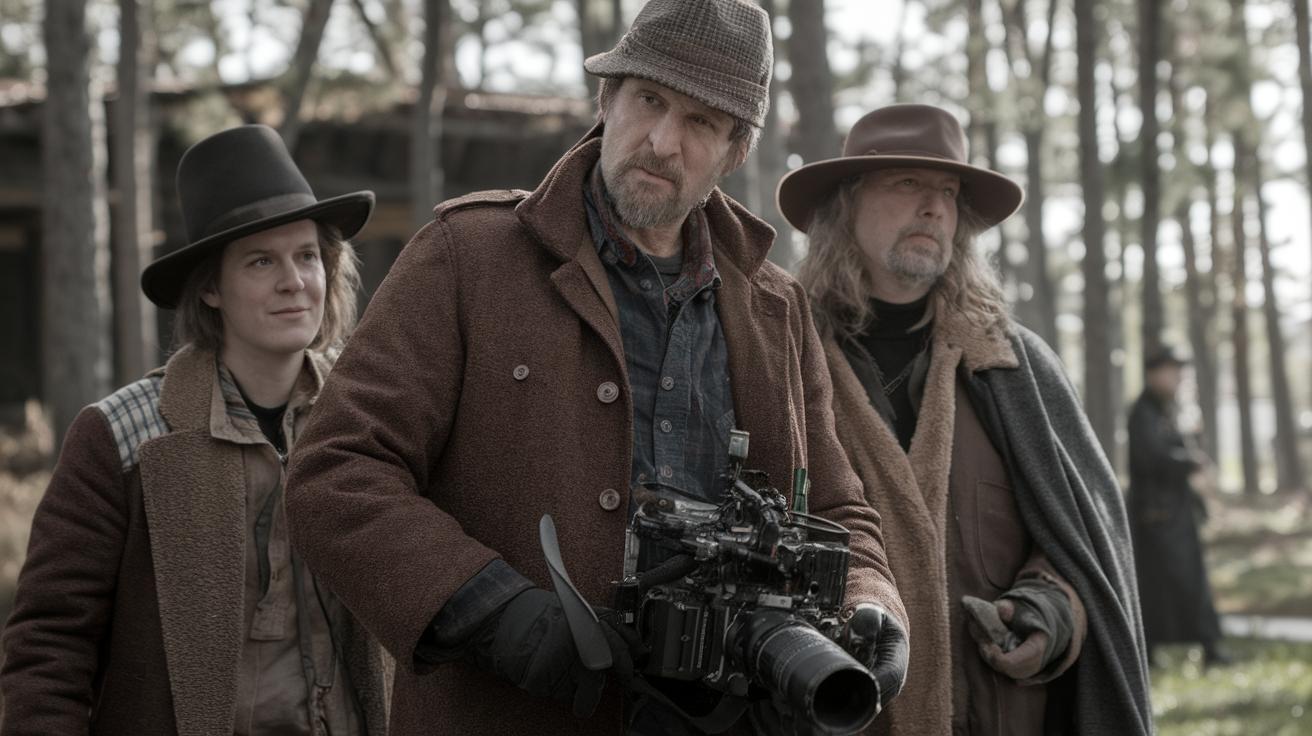
Cinematography serves as the visual backbone of storytelling in films and productions. It goes beyond mere filming, crafting an atmospheric essence that resonates with audiences. This blog explores how cinematography evolves narratives, employing motion, visualization, and technology. It outlines how lighting, depth of field, and other technical aspects converge with artistic elements to enhance storytelling. Aspiring filmmakers can glean insights into key techniques including rack focus, tracking, and master shots. Ultimately, this exploration illustrates the synergy between art and technology in filmmaking, showcasing the pivotal role of the cinematographer and the collaborative effort in bringing stories to life on screen.
Visual storytelling
Visual storytelling harnesses the power of images to convey a narrative. It uses visual elements such as the composition, lighting, and color to express emotions and ideas, often without the need for dialogue. In movies, this can mean the difference between a flat rendition of a script and a dynamic, absorbing experience.
This form of storytelling relies heavily on the skillful manipulation of visual cues. A director’s vision is often brought to life by a cinematographer who translates a script into a visual feast, using camera movement and angles to guide the audience’s perception. They use a wide range of techniques to create mood and atmosphere, compellingly drawing viewers into the story.
But what is cinematography?
Cinematography is the art of photographing and lighting a film, a craft that aligns technical expertise with imaginative creativity. It involves the selection of camera angles, movement, film stock, lens options, and lighting to create visual aesthetics that support the narrative.
The term extends to cover everything from scene composition to shot planning, including the adjustment of colors and lighting. It involves making conscious choices about what is visible in the frame and, importantly, what remains outside the frame, creating stories as much by absence as by presence.
Cinematography is motion
Motion lies at the heart of cinematography, emphasizing not just the subjects within a frame but their movements and the camera’s movement as well. These movements can invigorate a static shot, add tension, or offer a revealing look into a character’s emotional state.
Cinematographers use techniques like panning, tilting, and tracking to give rhythm and fluidity to their visuals. This motion can be subtle, like a slow zoom for introspection, or dynamic, using handheld techniques for urgency. Techniques like these are instrumental in ensuring that the story is engaging and flows naturally from one scene to the next.
Visualization through the visionary
Visualization in cinematography is the ability of a director or cinematographer to see the final film’s images before they are shot. This visionary perspective helps in determining how the script transforms on-camera and captures the essence of the narrative style.
Visionaries in the world of cinematography bring unique styles that influence storytelling, often coloring narratives with their distinct aesthetic and narrative approaches. Their work, saturated with meaning and purposeful imagery, adds layers to the film’s narrative, supporting thematic undertones and character development.
Cinematography and technology
Lighting is key
Lighting is an essential technological component of cinematography that sets the tone and mood. Good lighting can evoke the right emotion or highlight an important visual element, drawing the audience’s attention to where it is needed the most.
Cinematographers use lighting techniques like soft, hard, or backlighting to create contrasts and depths. These methods enhance the narrative by playing with shadows and highlights, effectively managing how light interacts with the scene and its subjects.
Depth of field
Depth of field is the range of distance within a scene that appears acceptably sharp and is used to guide the viewer’s focus. Through creative use of depth of field, filmmakers can isolate characters, suggest inner thoughts, or evoke a sense of intimacy.
By adjusting depth, cinematographers craft the visual style to reflect the story’s theme. Shallow depth allows focus on individual characters or objects, while a deep field presents a fuller scope of the environment, often essential in expansive story settings.
Exposure and focal length
Exposure affects how bright or dark an image appears, a cornerstone of cinematic visual style. Proper exposure is crucial in setting the scene’s tone and aesthetic, often dictating the narrative’s emotional trajectory.
Focal length, on the other hand, can dramatically affect the composition and perspective of a shot. It determines how wide or narrow the view is and can compress or expand the perceived distances between objects, thus impacting storytelling by altering how spaces and subjects relate.
File formats
File formats in cinematography relate to the medium on which the film is recorded, substantially influencing picture quality and editing flexibility. From traditional film to digital formats, the choice can enhance storytelling by providing different textures and resolutions.
The transition to digital has given cinematographers more creative latitude, facilitating complex visual effects and streamlined post-production processes. This advancement continues to push the boundaries of what’s possible on screen, enabling novel ways to visualize stories.
Art and technology
Playing with time
One of the remarkable aspects of cinematography is its ability to manipulate the perception of time through techniques such as slow motion, fast motion, and time-lapse. This manipulation adds layers to storytelling by creating suspense, emphasizing details, or transitioning through temporal settings.
Using these techniques, filmmakers can explore thematic elements and metaphysical questions, adding depth and rhythm to the narrative. Time manipulation provides a dynamic aspect of visual storytelling, capturing shifts not readily achievable in real time.
It takes a village
Producing cinematic storytelling is a collaborative effort, a testament to the combined vision of directors, performers, cinematographers, and numerous technical specialists. From pre-production planning to post-production edits, crafting a film involves coordination and teamwork.
The collaborative nature means synthesizing varied expertise to create cohesive visual narratives. The skilled teamwork behind the cameras reflects in the richness and vibrancy of the stories presented and highlights the importance of synergy in successful storytelling.
From design to implementation
The journey from concept design to execution is intrinsic to filmmaking. It requires strategic planning and implementation, aligning creative visions with tangible outcomes in cinematographic elements and storytelling methods.
Pre-visualization tools and storyboards facilitate this process, allowing filmmakers to conceptualize ideas visually before committing them to film. This rigorous planning is essential to achieving visual congruence and resolving potential narrative challenges.
Think like a cinematographer
What is the rack focus shot?
The rack focus technique involves shifting focus from one subject to another within a scene, which guides the audience’s attention and supports the dynamic nature of the narrative. It allows filmmakers to transition emphasis smoothly, adding an engaging element to the visual story.
Rack focus can subtly convey shifts in perception or elevate storytelling by emphasizing crucial plot points. Its effectiveness lies in its ability to prompt viewers to subconsciously follow the focus, creating an intuitive and captivating viewing experience.
The tracking shot defined
A tracking shot is one where the camera moves alongside the subject it is recording. Traditionally mounted on a dolly, this shot is used to maintain subject focus, often creating a visceral connection between the audience and the character.
Tracking shots are powerful tools for immersion, allowing viewers to stay with the characters across environments. This technique can heighten suspense or illustrate brisk advances in the narrative, translating movement and progression effectively.
Why do filmmakers shoot master shots?
Master shots encompass the entire scene from start to finish, capturing all characters and action elements. This shot serves as a reference for subsequent close-ups and edits, offering continuity and completeness to the narrative.
Filmmakers rely on master shots to maintain the scene’s consistency and ensure editors retain narrative flow. It functions as an anchor during the editing process, providing the foundational structure around which the scene’s other edits revolve.
Everything you need to know about the jump cut
Jump cuts create a jarring transition by removing parts of a sequence, resulting in a sudden change that disrupts continuity. This technique is used to convey the passage of time or introduce a sense of urgency or chaos into a scene.
Compared to traditional cuts, jump cuts inject energy into scenes and can be effective in maintaining viewers’ engagement or illustrating disjointed narratives. When executed thoughtfully, they add a dynamic and artistic flair, enhancing the storytelling process.
The freeze frame: Why filmmakers stop time
The freeze frame technique captures a still image from a sequence, effectively pausing time at a moment of significance. It’s an evocative way to emphasize an emotional high point or offer reflection, drawing attention to the gravity of a scene.
Filmmakers use freeze frames to let the audience relish a pivotal moment, allowing for contemplation. By stopping time, the narrative gains an added layer of introspection, inviting viewers to ponder the frozen image’s importance.
What does a cinematographer do?
A cinematographer, or Director of Photography, is responsible for bringing a film’s visual style to life, guiding technical and aesthetic aspects of the photography and lighting. Their role is critical to executing the director’s vision and ensuring visual coherence.
Working closely with directors, production designers, and editors, cinematographers oversee camera operations, frame compositions, and lighting setups. Their expertise not only molds the visual tone but also supports narrative clarity, making them instrumental in story visualization and execution.
Summary of main points
| Aspects of Cinematography | Description |
|---|---|
| Visual Storytelling | Uses visuals to convey narratives, enhancing script interpretation. |
| Cinematography Basics | Involves technical and creative elements including camera work and lighting. |
| Cinematography as Motion | Incorporates camera movement and motion dynamics to aid storytelling. |
| Visualization | Translates script into visual expressions through a director’s vision. |
| Lighting and Technology | Key in setting mood and guiding focus; involves modern techniques. |
| Collaboration | Engages multiple disciplines in the cohesive creation of film narratives. |
| Filmmaking Techniques | Utilizes specific shooting methods like tracking, rack focus for effect. |
| Role of Cinematographer | Guides the visual and technical aspect of film production. |